


Skye’s Legacy: A focus on belonging
- |
Every child needs to have deep connections and to feel a sense of belonging to culture, community, family and place in order to thrive and develop a positive sense of self.
Skye’s Legacy illustrates what can happen when children and youth aren’t provided with the opportunity to belong – to feel connection to people, place, culture and a positive sense of self. A narrow focus on trying to ensure that Skye was adopted (to achieve legal permanency) came at the expense of all other aspects of her belonging.
Researching and telling her story convinced us that we need to think differently about the system’s main responsibility to every child in care – the need to create and nurture belonging. Skye’s story convinced us that belonging should be the lens through which all decisions are made and all actions are taken in planning and caring for a child.

Too often, young Indigenous people experience this lack of connection and belonging to people, place, culture and a positive sense of self. As a consequence, they experience pain, sadness, distress, risk and poorer life outcomes
– Dr. Jennifer Charlesworth, Representative for Children and Youth
Who Was Skye?
Who Was Skye?
Skye was a bright, young First Nations girl who died of an accidental drug poisoning on her 17th birthday. She was a child who was full of hope, potential and somebody who “bubbled with energy” and our report concluded that her life could have taken a much different path had she been provided with the sense of belonging that she needed.
Instead, Skye was placed in government care at the age of five and never saw her mother again, lived in a series of foster homes, endured three failed adoption plans and multiple moves between placements and communities, and wasn’t provided with opportunities to meaningfully connect with her extended family or her Dene culture.
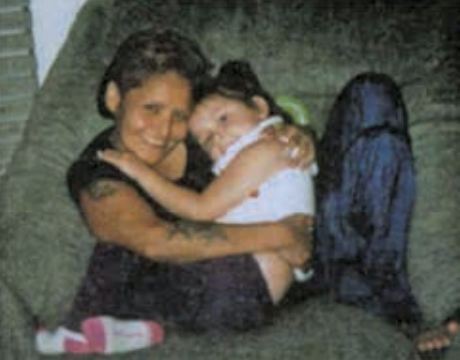
The following images show Skye at age twelve (top), and Skye at about age four with her mother (bottom).

Skye was moved
times and lived in 8 different homes while she was in care.
Key SyStemic Themes
This report highlights key systemic barriers that played a vital role in Skye’s life and the lack of connection she felt to family, community and the people who were supporting her.
Skye’s story illustrates what can happen when children and youth aren’t provided with the opportunity to belong and to feel connection to people, place, culture and a positive sense of self. A narrow focus on trying to ensure that Skye was adopted (to achieve legal permanency) came at the expense of all other aspects of her belonging.
Belonging should be the lens through which all decisions are made and all actions are taken in planning and caring for a child.
Recommendations at a glance
Funding for New Resources
Analyze cultural and family support needs.
Support social workers to promote identity and belonging.
Focus on Indigenous children and youth in care.
Revisions of all Relevant Material
Review and revise care-planning and case management standards.
Align policies, guidelines, and training with dimensions of belonging.
Report Dissemination
- Distribute Skye’s Legacy: A Focus on Belonging to all relevant staff.
- Engage staff in meaningful discussions about belonging in case planning and care decisions.

