


How One Boy’s Story has the Power to Shift a System of Care for Children and Youth
- |
- General Report
Too many children and families in British Columbia are being failed by systems never designed with their realities in mind. Don’t Look Away is a call to action from the Representative for Children and Youth (RCY) for bold, coordinated, and transformative change. The report rejects surface-level fixes and urges governments, service providers, and communities to commit to deep, systemic reform so that every young person in this province can be safe, supported, and thriving.
RCY calls on BC to move beyond siloed ministries toward a truly integrated child well-being system. This means not just new policies, but new thinking that is grounded in what we know about trauma, child development, belonging, and Indigenous knowledge.

We will never know for sure if one small action could have changed the trajectory of Colby’s life. But there is no question that collective action could have.
– Don’t Look Away, 2024
The Sacred Story Investigation
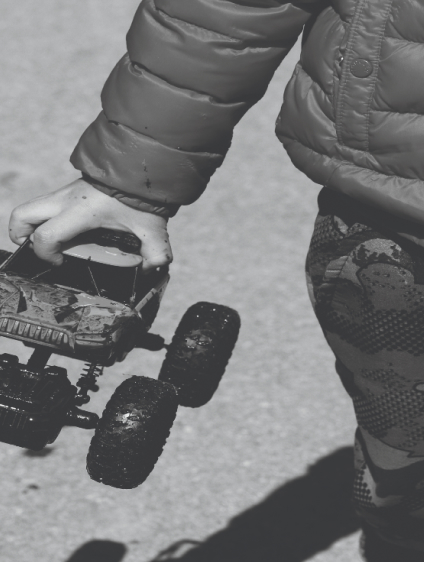

The Sacred Story Investigation
The Sacred Story Investigation examined how the systems responsible for protecting Colby, an 11-year-old boy with a deep love for family, culture, and community, failed to keep him safe. Despite his joyful spirit and resilience, Colby did not receive the coordinated care and support he needed.
This investigation extended beyond the experience of one child to reveal broader systemic failures that continue to harm children and families across British Columbia. It called for urgent, meaningful change. This investigation and resulting report honours Colby’s life by making visible the gaps in the system and calling for a collective commitment to do better for all children.
In 2024/2025 RCY staff reviewed
injuries and deaths of children in government care or receiving reviewable services.
– RCY Annual Report 2024/25
Key Themes
This report highlights key systemic issues that were prevalent in Colby’s life and the lives of too many children.
These include the impact of inadequate family supports and early prevention resources; inequities and a lack of oversight in family caregiving arrangements; significant weaknesses in interagency collaboration and communication; and the lack of data measurement and accountability for outcomes. The report also speaks to the risks of confusion over lines of accountability as Nations transition to having jurisdiction over their own child welfare systems.
Make your commitment to changing children and youth’s life’s with our downloadable commitment card.
Watch the Report Release Below
Recommendations at a Glance
Focus on Child Well-Being
- Develop a Child Well-Being Strategy and Action Plan to improve outcomes and address inequities.
- Ground it in UNCRC, UNDRIP, and UNCRPD, recognizing colonization and racism.
- Integrate Indigenous and Western knowledge, with shared outcomes and accountability.
Ensure long-term support, oversight, and child impact assessments.
Support Families
- Bring all ministries together in an RCY-led Keeping Families Safely Together dialogue to strengthen family supports.
- Ground in children’s rights, early learning, and responsive caregiving.
- Address systemic inequities, integrate Indigenous and Western knowledge, and emphasize early intervention.
- Use existing data and recognize the importance of place, culture, and coordinated action.
Address Violence
- Address family violence and its impact on children and youth.
- Revise the Gender-Based Violence Action Plan and expand culturally relevant services.
- Increase cross-ministerial collaboration and healing funds for Indigenous communities.
Be Accountable
- Create a child well-being data and accountability plan to track outcomes and address inequities.
- Establish shared indicators, align with Indigenous data governance, and ensure ethical, inclusive data sharing.
- Improve data quality, coordination, and reporting to guide decisions and reflect OCAP principles.
Support Jurisdiction
- Define clear roles for ministries and public bodies in supporting Nations resuming jurisdiction over child well-being.
- Include social and cultural determinants of health in all jurisdiction discussions.
- Collaborate with Indigenous leadership and the federal government to address legislative gaps.
- Support creation of Indigenous-led mechanisms to share laws, guide transitions, resolve issues, and advocate for children and families.
Coming Together to Ignite Change
Don’t Look Away called on all of us to keep children and youth at the centre of system change and to stay with the work over time.
Through the We Are Not Looking Away convening series, RCY brings together young people, families, caregivers, Indigenous leaders, community partners, service providers, researchers, and government representatives to explore the priority issues identified in Don’t Look Away. Together, participants consider what is changing, where serious gaps remain, and where more work is needed.
These gatherings create space for honest conversation, shared learning, and renewed action. The recordings below capture key presentations and discussions from the Don’t Look Away anniversary and priority issues. More recordings will be added as future sessions take place and videos become available.
Two Year Anniversary of Don't Look Away
Two years after the release of Don’t Look Away, RCY brought people together to reflect on progress, persistent gaps and what must happen next to improve the lives of children, youth, and families.
Read the convening summary.
Family Support + Early Help Convening
This gathering explored how B.C. can move toward earlier, more accessible, and culturally grounded support that helps families before challenges become crises.
Read the convening summary.
Violence Convening
This convening brought together diverse voices to examine the violence experienced by children and youth, its lasting impacts and the collective action needed to prevent harm and strengthen support.
Read the convening summary.
One Year Anniversary of Don't Look Away
One year after the release of Don’t Look Away, RCY brought people together to reflect on progress, persistent gaps and what must happen next to improve the lives of children, youth, and families.

